Food hygiene and commercial cleaning experts in Brampton assist you in maintaining dining venues, food supply centers, baking operations, warehouses, and mobile food operations to code. They sanitize high-touch points, food preparation zones, equipment, floors, drains, restrooms, and food handling zones with approved chemicals, correct concentration, and documented exposure durations.
Key Takeaways
- Brampton food safety cleaning experts maintain restaurants, grocery departments, commissaries, warehouses, bakeries, schools, mobile vendors, and allergen-sensitive operations.
- Frequently contacted areas, food-contact equipment, kitchens, floors, drains, restrooms, and storage areas are disinfected using zone-based workflows to eliminate cross-contamination.
- Certified contractors validate approved sanitizer dilution, compatibility, and contact time, then file finishing with swabs, inspections, and correction logs.
- Proper sanitation schedules factor in danger, production rate, changeovers, incidents, and requirements when assigning routine, regular, and annual activities by section.
- Focus on suppliers demonstrating HACCP, sanitation competency, WHMIS education, insurance, testimonials, color-coded instruments, and inspection-ready maintenance paperwork.
What Brampton Operations Require Food Safety Cleaning?
Brampton establishments that manage, store, prepare, package, or offer food require food sanitation. Implement it if your establishment is subject to health reviews, food regulations, or HACCP protocols. The obligation covers restaurants, cafeterias, commissaries, grocery food departments, butcher shops, seafood counters, convenience stores, and institutional kitchens.
Compliant food safety cleaning proves required in supply warehouses, processing plants, freezer locations, commercial bakeries, school food programs, reception facilities, and food delivery centers. Portable temporary ventures matter as well, examples being food trucks, event sellers, and temporary stalls. Your location needs documented cleaning protocols if your team process ingredients, portion ready-to-eat items, reheat products, or store allergens. In Brampton, food safety is not voluntary; it forms part of lawful, operational, and customer protection standards.
What Services Do Brampton Cleaning Experts Provide?
You need cleaning experts who disinfect frequently contacted areas, kitchens, floor surfaces, and restrooms to comply with food safety and health regulations. They target these areas because they present the highest risk for contamination spread, slip hazards, and hygiene violations.
Knowing their service areas allows you to confirm your operation's sanitation satisfies operational demands and regulatory compliance.
Important High-Touch Surface Sanitizing
organize sterilization intervals according to usage patterns, exposure levels, and facility operations.
validate that cleaning was adequate and facilitate corrective actions when results fall beyond required standards
Kitchens, Floors, and Restrooms
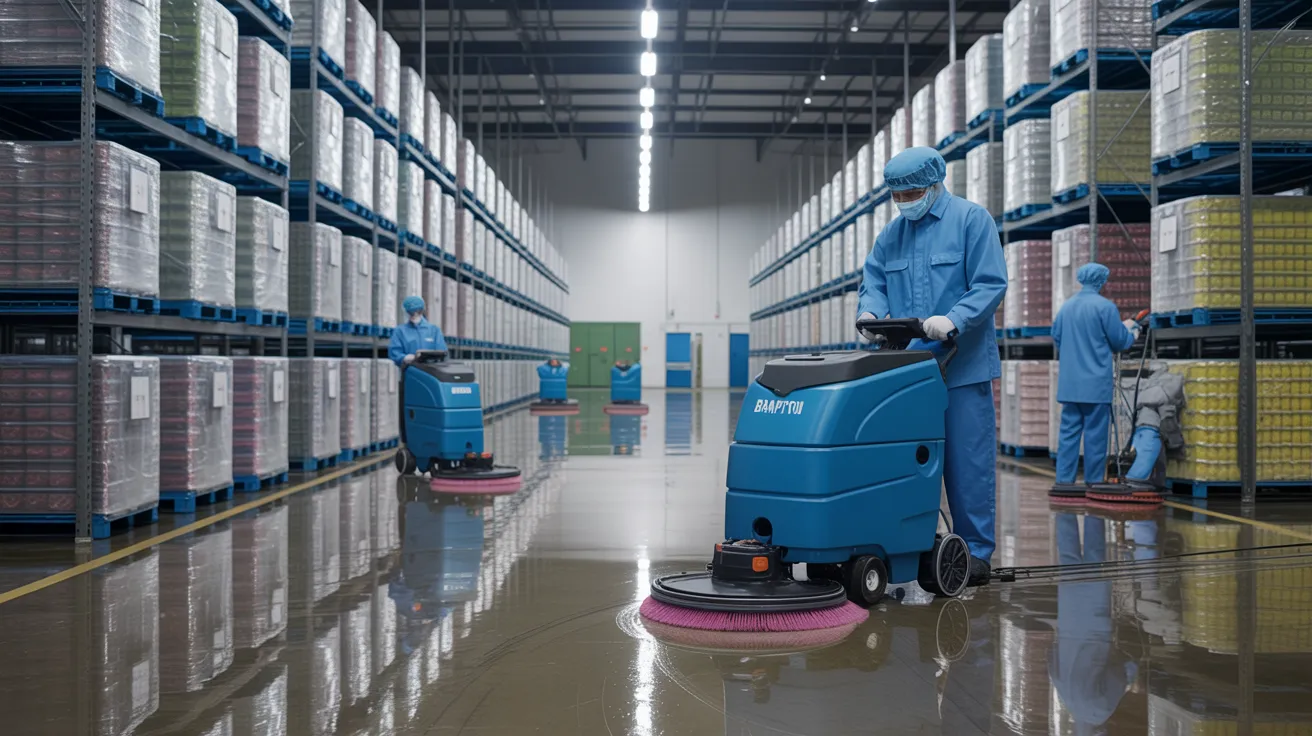
Brampton cleaning professionals will handle kitchens, floors, and restrooms since each space presents separate food safety concerns, slip-and-fall, and public health challenges. In industrial kitchens, you need degreasing on cook lines, equipment exteriors, drains, prep surfaces, and splash zones to minimize bacterial growth and pest activity.
Professional floor care with documentation is also included. is likewise provided as part of the service.
In restrooms, cleaners disinfect touchpoints, fixtures, partitions, dispensers, and waste containers then restock supplies and control odours. They also maintain restaurant cleaning supply rooms where product storage, sink cleanliness, and drain systems impact daily sanitation standards and worker protection.
The Importance of Food Safety Cleaning in Brampton
To adhere to health code requirements and pass inspections, Brampton facilities must follow food-safe cleaning standards. You also minimize bacterial spread through proper cleaning of food-preparation surfaces, appliances, and frequently-touched items. Most importantly, you help protect community wellness by reducing the chance of food poisoning in your establishment.
Health Code Compliance
Food companies in Brampton face mandatory safety protocols, making food safety cleaning vital to meeting health code requirements, safeguarding patrons, and preventing enforcement action. You must maintain sanitary food-contact surfaces, recorded sanitation plans, correct sanitizer application, and documented employee protocols that meet municipal and provincial inspection expectations.
Retaining strong cleaning records proves due diligence for compliance reviews and shows that your methods are uniform, reproducible, and documented.
Contamination Control
Following health code standards depends on your skill in stopping cross-contamination in daily food handling and cleaning. You must separate raw ingredients from ready-to-eat foods, sanitize prep surfaces between tasks, and maintain separation of cleaning products from food. Well-defined guidelines decrease contamination chances and support consistent compliance during inspections.
Building allergen isolation prevents key allergens from reaching shared surfaces, containers, or equipment. Utilize dedicated cutting boards, color-coded tools, and precise instrument labeling so staff don't mix items during preparation or service.Mandate hand cleaning following raw meat, seafood, eggs, or allergen-containing products. Refresh cleaning cloths frequently, and confirm sanitizer strength with test strips. When your team follows these practices every shift, you foster a cleaner, more secure operation that meets Brampton's food safety expectations consistently.
Community Health Protection
If proper sanitation declines, you don't merely face potential inspection issues—you boost the probability of pathogenic contamination affecting customers, staff, and the broader Brampton region. You also undermine your responsibility in protecting public health, especially in high-traffic food premises where contamination can spread quickly through surfaces, equipment, and touchpoints.
You must establish cleaning procedures that eliminate soils, sanitize properly, and verify outcomes. This involves adhering to exposure times, employing authorized sanitizers, documenting procedures, and training employees to satisfy regulatory standards. These controls promote pathogen reduction by limiting pathogens before reaching food or hands. Across Brampton, strong cleaning protects at-risk populations, reduces disease potential, and shows your diligence. When you maintain proper protocols, you go beyond requirements—you substantially lower hazards and enable safer food service city-wide.
How Does Cleaning Support Food Safety Compliance?
Following rigorous cleaning routines improves food safety compliance by decreasing contamination threats, managing pathogen expansion, and ensuring your facility complies with sanitation requirements under HACCP-based programs and public health regulations. You verify that product-contact areas stay visibly clean and microbiologically controlled, supporting documented preventive controls and inspection readiness.
Cleaning initiatives additionally upgrade allergen management by removing residues that can trigger undeclared allergen exposure.
What's the Best Time to Plan Commercial Cleaning?
spill incidents, and post-maintenance work
Schedule cleaning before and following special events, functions, or public [[functions for smooth event turnarounds.
Finding Quality Brampton Cleaning Experts: A Guide
Begin by evaluating providers based on food-safe sanitation requirements—not solely on price alone. You should confirm that each organization comprehends CFIA, public health, and HACCP-aligned expectations applicable to your facility. Request insurance certificates, WHMIS compliance, staff training documentation, and oversight procedures. Assess whether technicians recognize cross-contamination risks, chemical handling protocols, and verifiable sanitation records.
You must also evaluate operational reliability and accountability. Seek references from food facilities in Brampton, then assess response times, corrective processes, and communication quality. Ensure the company enables supplier checks and can provide inspection-compliant records when authorities or third parties demand verification. Verify equipment care, color-coded items are deployed correctly, and operational-specific risks are understood. A qualified provider protects compliance, product safety, and your market standing.
What's included in a sanitation cleaning strategy?
Write out a plan that outlines every sanitation activity, guideline, and role before starting production. You should record cleaning schedules, approved products, ratios, contact periods, tools, and validation approaches for each zone, surface, and piece of equipment. Ensure you include pre-operational inspections, corrective actions, and employee training requirements.
Your plan should also include cross-contamination controls, waste handling, pest-prevention measures, and documented schedules for bathrooms, drainage, ground surfaces, and food-handling zones. Clarify how you'll separate raw and ready-to-eat processes, help with ingredient tracking, and maintain accurate allergen labeling through validated cleaning between product changes. You should define accountability, maintain signed records, and review results against regulatory standards, HACCP controls, and customer requirements. When gaps appear, adjust procedures immediately and re-educate staff.
Frequently Posed Questions about the Plan
Can cleaning services support nighttime operations in Brampton facilities?
If you operate controlled facilities, you'll also need documentation that support inspections and maintain compliance.
Can Brampton cleaning experts handle hazardous incidents?
Yes, you can expect many Brampton sanitation professionals to offer emergency spill response solutions. They manage hazardous materials, evaluate dangers, contain contamination, and start rapid decontamination to reduce exposure and business interruption. You should verify arrival timeframes, professional credentials, PPE protocols, and waste management. If your facility must meet health or food safety regulations, select a service that records events, maintains regulatory procedures, and supports audit readiness.
Are eco-friendly disinfectants secure for surfaces contacting food?
In essence, plant-based sanitizers prove safe for surfaces contacting food provided you buy items marked food-safe that meet regulatory requirements. Confirm application timing, mixing proportions, and rinsing needs before use. Natural-based solutions reduce chemical burden, although you need evidence of effectiveness against relevant pathogens. For maintaining residue-free conditions, follow precise manufacturer instructions and confirm the disinfectant complies with applicable food industry sanitation standards.
Will sanitation programs adapt to seasonal production changes?
Certainly, cleaning plans respond to production fluctuations well. Adjust schedules, staff levels, disinfectants, and validation steps to fit with operational cycles while sustaining regulatory requirements. Minimize production downtime by organizing sanitation during line changes, high demand periods, and usage patterns. Concurrently update procedural documents, employee training, and environmental monitoring to address temporary risks, additional allergens, or higher contamination levels. Periodic assessments maintain the schedule current.
Do professional cleaners coach staff members in proper hygiene techniques?
Indeed, commercial cleaning providers typically provide employee coaching on proper hygiene. Your staff receives instruction on safe chemical application, exposure durations, preventing cross-contamination, equipment disassembly, and record-keeping. They typically follow training with HACCP, GMP, and CFIA or regional health standards criteria. Many also execute resource compliance inspections to verify compliance, reveal issues, and strengthen improvement measures. This assists you to establish reliable processes, pass inspections, and reduce food safety risks each day.
Conclusion
By partnering with Brampton food safety and commercial cleaning professionals, you aren't simply tidying—you maintain your facility compliance-focused and your standards in compliance. From kitchens to processing floors, every sanitized surface and organized space decreases contamination and prevents costly issues. By arranging service at appropriate intervals and following a documented cleaning plan, you protect your team, clients, and your credibility. In a strictly regulated industry, clean spaces are mandatory—they're essential to successful operations.
Comments on “Brampton Deep Cleaning Experts”